Generalized Pustular Psoriasis is a rare, very serious, potentially life-threatening skin disease with episodes of flare-ups that can occur within a few hours. Its course can be continuous or relapsing. Generalized Pustular Psoriasis (GPP) refers to symptoms that affect large areas of the body. (1) (2) (1) (2)
This website provides a series of practical tips for patients with Generalized Pustular Psoriasis to help with the daily management of the symptoms of the disease, focusing on different times of the day.
Humans are designed to function like a ‘well-tuned clock’. Illness, especially chronic and painful diseases, are disruptive, often debilitating, and can negatively affect this function. However, the uniqueness of each human being and the particular way in which the body and mind are connected can help manage the disease. Human strength, the desire for a better quality of life and the need for inner and outer wellbeing are the catalysts for people with Generalized Pustular Psoriasis to be motivated to work towards improving their daily lives.
This site offers practical tips, based on times of the day. As we all divide our day into broad but distinct segments, the tips will follow a similar approach. The tips, which promote self-care and mental wellbeing, are connected to our normal daily activities at specific times of the day, which is helpful for managing the daily challenges of living with GPP. These segments, following the visual image of the quarters of a clock, may seem like a strange approach at first, but hopefully you will soon see the positive impact they will have on your life and your potential.
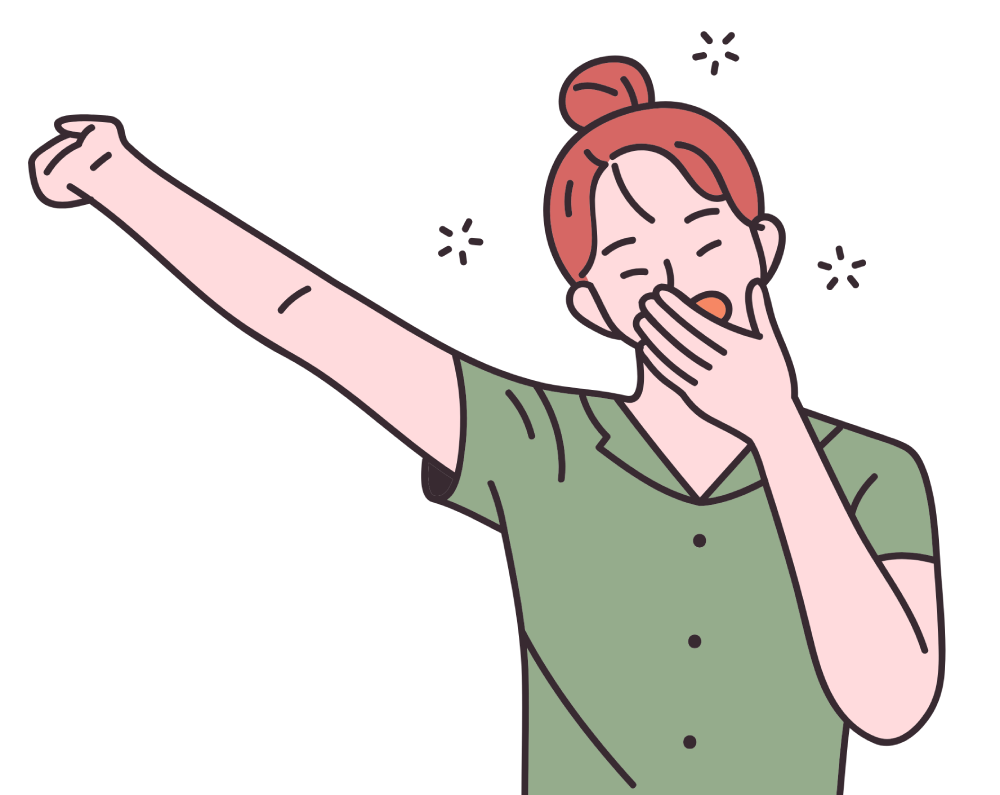
MORNING ROUTINE
The morning routine is particularly important because it signals the beginning of the day
OPEN THE WINDOW TO LET IN FRESH AIR AND LIGHT
Our day is starting and we need light!
PUT ON HAPPY MUSIC
Dopamine is a substance that our body produces and causes feelings of happiness, pleasure and enjoyment. Music increases dopamine and raises endorphin levels, which in turn contribute to eliminating anxiety and stress!
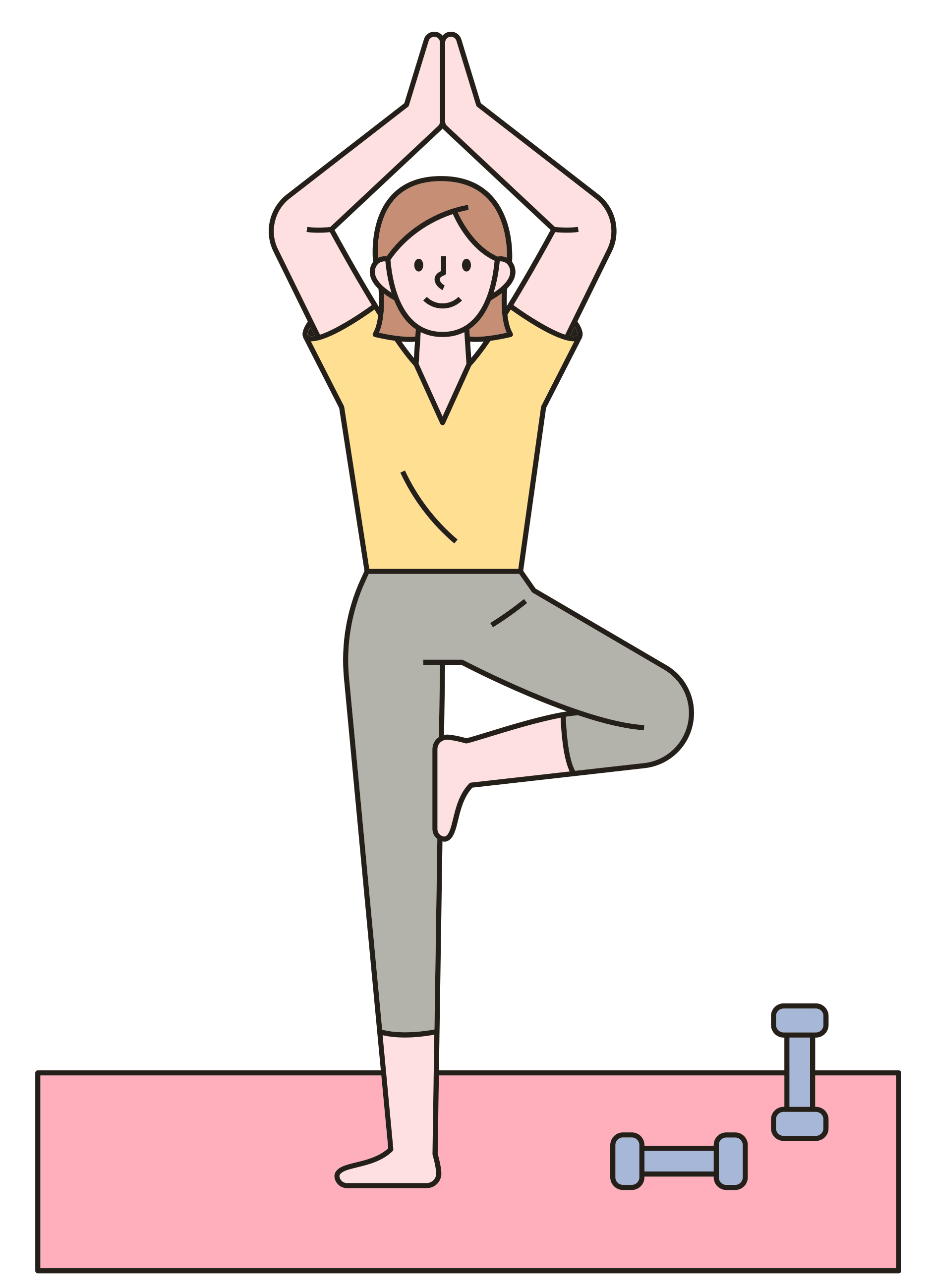
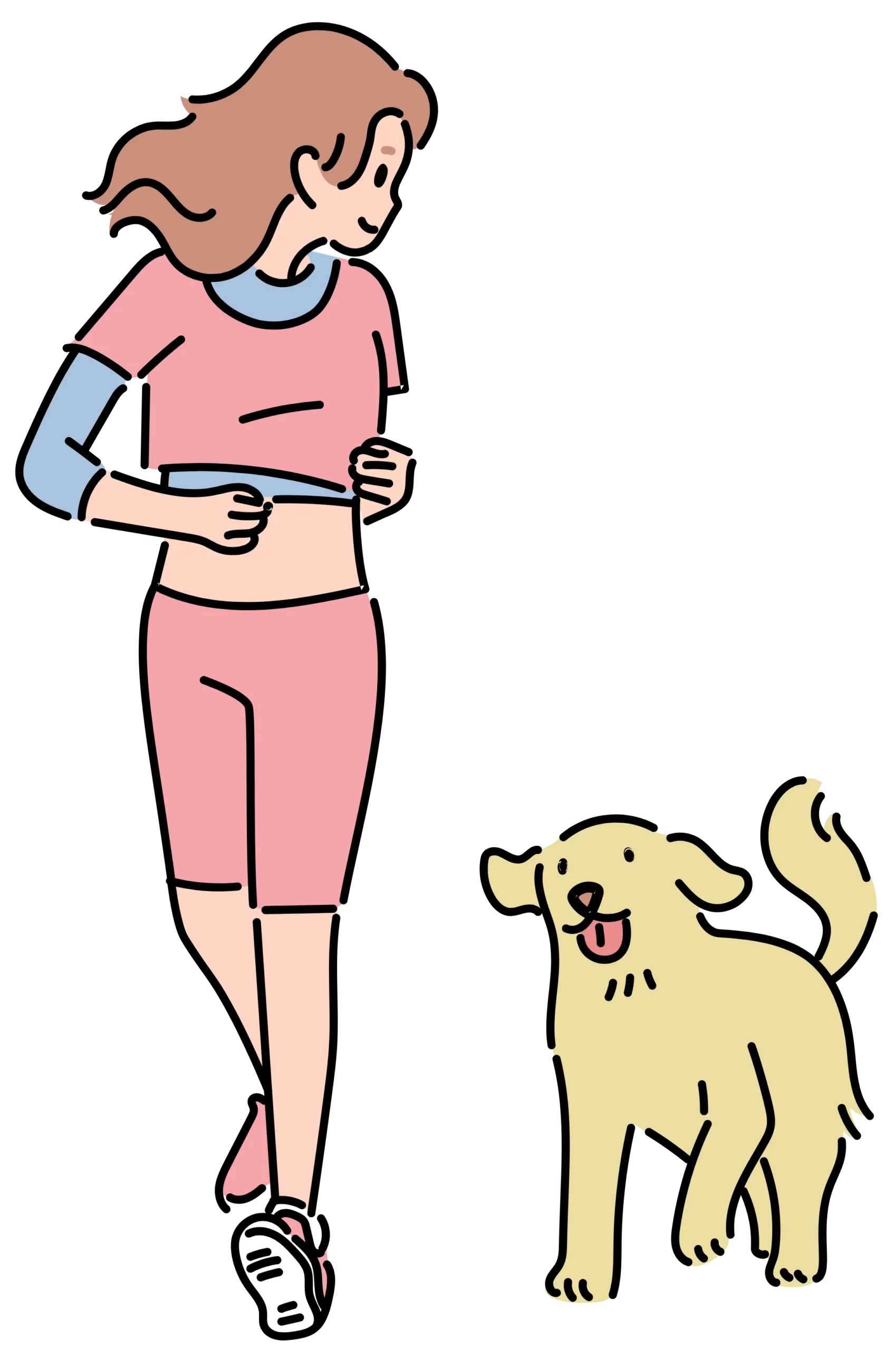
EXERCISE!
JUST 15 MINUTE IS ENOUGH. DO WHAT EXERCISE SUITS YOU
Incorporate exercise into your daily routine. It will fill you with energy and, above all, will enhance your mood and mental health! Do whatever exercise suits you so that you do it consistently.
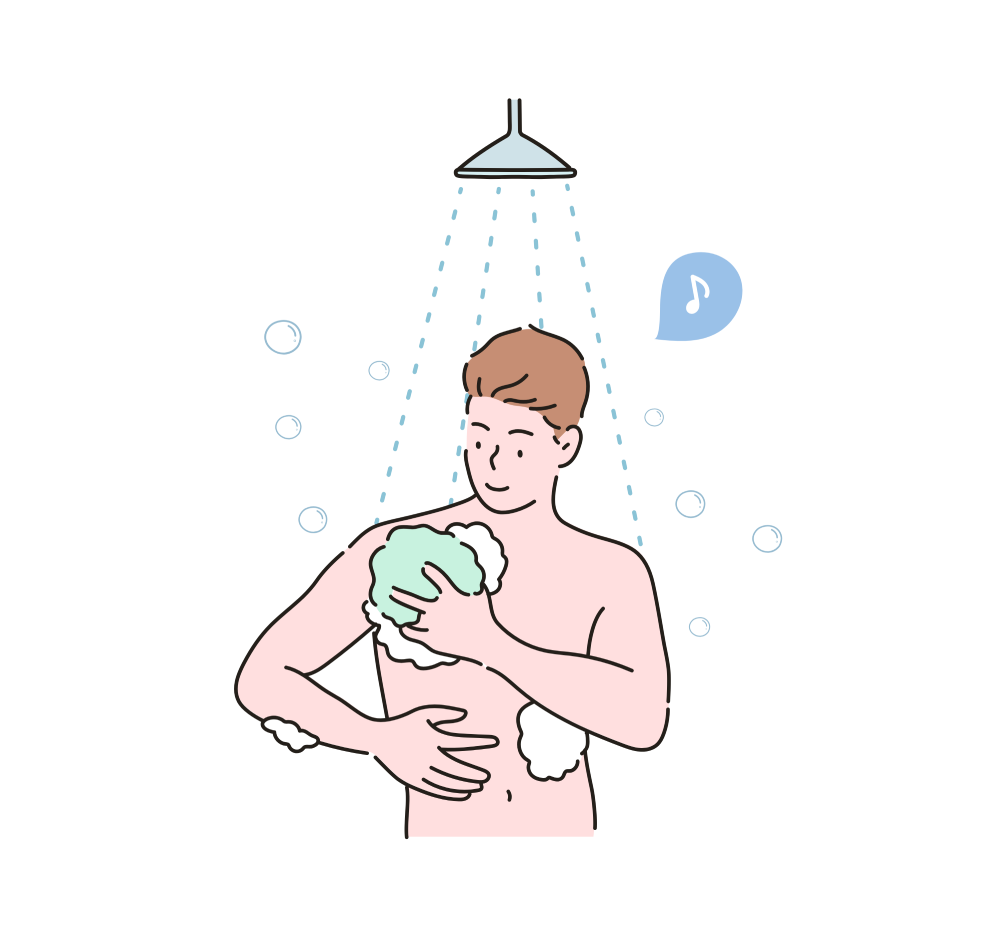
TAKE A QUICK SHOWER
Refresh yourself, treat your body, take care of it and feel more beautiful!
DON'T SKIP BREAKFAST
Did you know that there are foods that help release endorphins and serotonin, i.e. substances associated with the feeling of joy and pleasure? Yogurt, walnuts, bananas, dark chocolate (among other foods) can improve your mood. Combine them with your favorite coffee or another beverage.
In general, a healthy diet helps the body function properly.
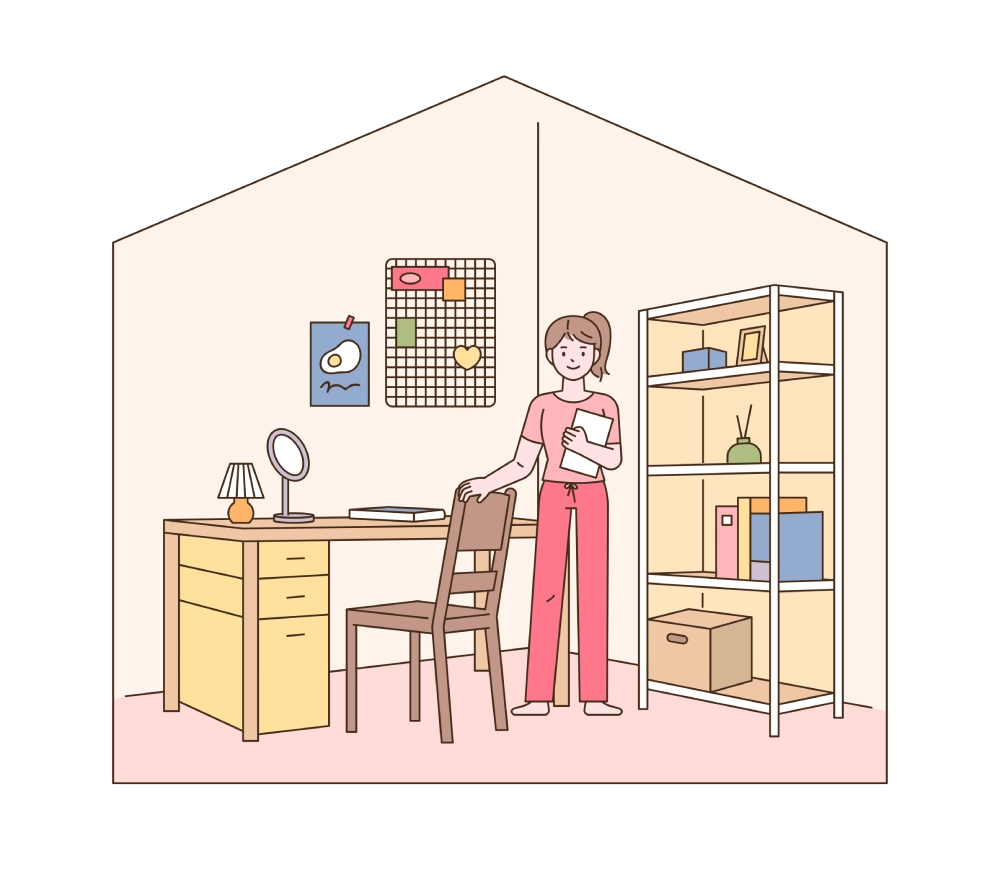
TIDY UP YOUR SPACE
Before you leave your home or room, make your bed and tidy up your space. It always helps to come back to a cleaner and tidier space so you can enjoy your free time, without having to do extra housework when you are already tired.
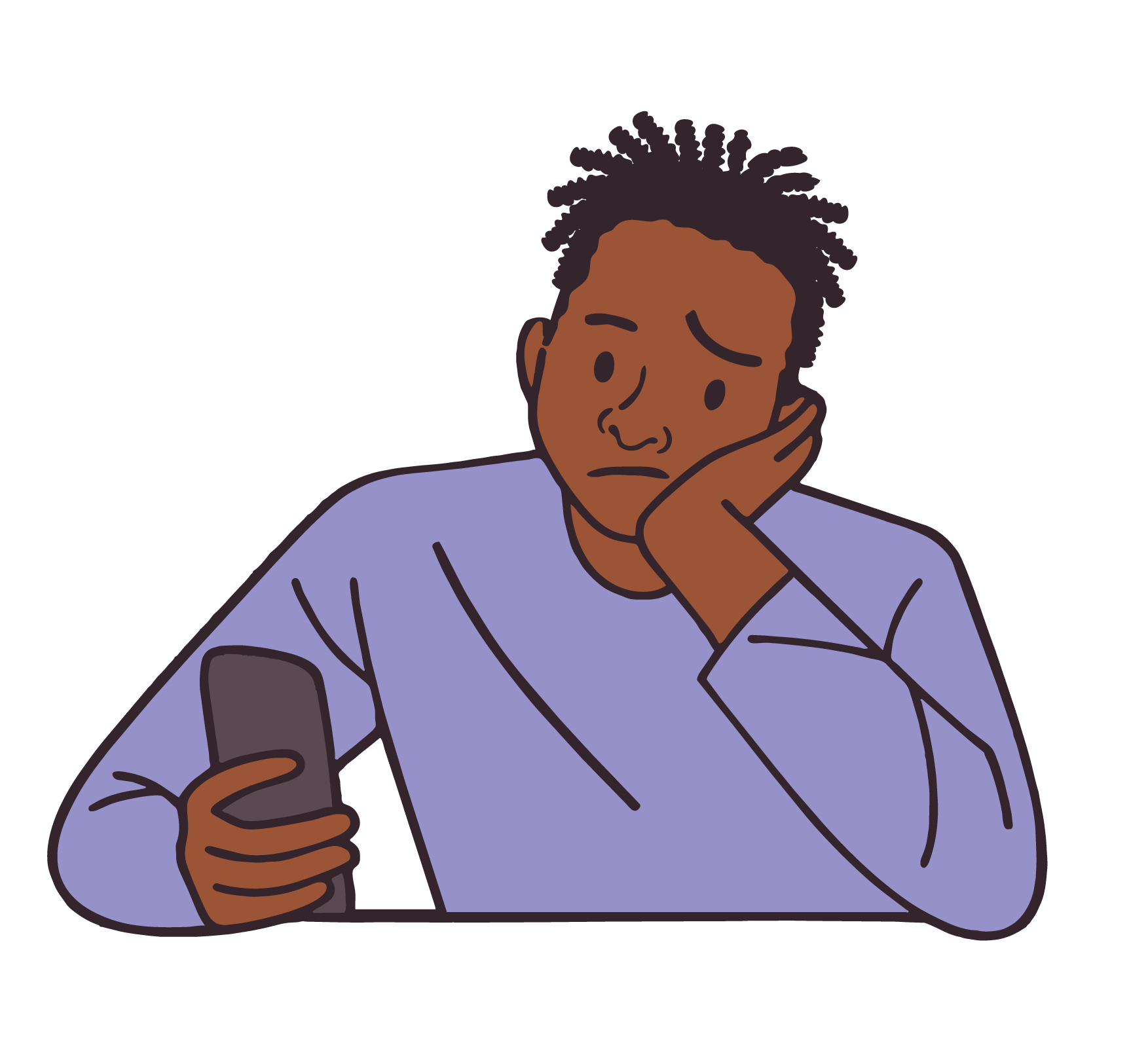
DON'T GO ON SOCIAL MEDIA AS SOON AS YOU WAKE UP
Try not to go on social media and generally not to turn on any screens in the morning. What we hear or see affects us psychologically for the next 5 to 6 hours. Unpleasant news can weigh on your mind. Don’t check your phone as soon as you wake up. Try to do things that have a positive effect on you in the morning.
WORK
Our work is a large part of our lives and is an integral part of our day-to-day routine.
MAINTAIN A HEALTHY WORK-LIFE BALANCE
We grow up with the expectation of finding a good job, succeeding at it and making money so that we feel accomplished and worthy. But in this effort, do we end up neglecting the other areas of our lives, our talents and the things that bring us joy? You must remember that your work is a part of your life, not your whole life. Work fatigue and job dissatisfaction can lead to more stress.
PREPAREYOUR MEALS FOR THE DAY, IN ADVANCE
This way you will need less time when you are hungry and have many other things to do at the same time or are feeling exhausted.
ASK YOURSELF HOW YOU FEEL
We often turn to food when we feel sad, worried, or stressed. Food fills us up both physically and emotionally. It also acts as a distraction, allowing us to temporarily forget that something unpleasant is bothering us and push our feelings aside. Take a few minutes to get in touch with your emotions and try to frame your feelings in a different way. Write down how you feel on a piece of paper, call a loved one, read, go for a walk or reach out to someone for help.
EAT HEALTHY. PUT YOUR FOOD ON A PLATE. SIT AT THE TABLE WHEN YOU EAT
Don’t forget that some foods are our allies. Fruits, salads, vegetables, good fats and proteins help us and support us towards becoming healthier. Don’t count calories, put quality in your life.
TAKE A CAT NAP! CLOSE YOUR EYES FOR 25 – 30 MINUTES
There are five stages of sleep in total. The first stage, when our thoughts relax, lasts from 2 to 5 minutes. The second stage, when the heart rate slows down and eye movement stops, lasts about 20 minutes. The third stage comes before deep sleep, while the fourth stage is light sleep from which we have difficulty waking up. The last stage is the fifth stage, REM (Rapid-Eye-Movement) sleep, where the mind is particularly active and we dream. An afternoon nap, in order to rest and relax us, must reach the second stage, where our bodies’ functions slow down. Therefore, it can be beneficial to take a nap, even if it is for only 25-30 minutes.
CREATE YOUR MID-DAY NAP ROUTINE
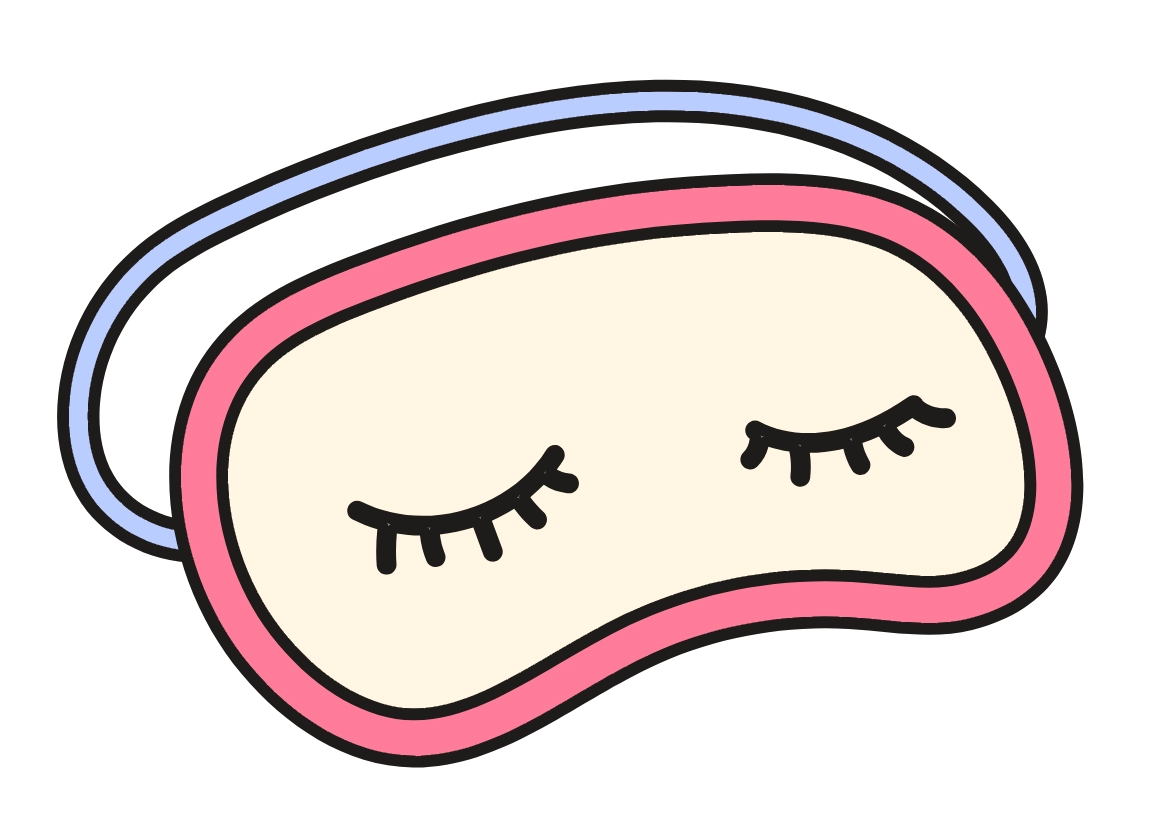
If you have time in the middle of the day regularly, try to create a nap routine. Create a relaxing, preferably dark, sleep environment and use an alarm clock after the scheduled time. Use accessories, such as a sleep mask, to mimic a night’s sleep. When you get up you may feel a little sleepy, but this is temporary and you will feel energetic and rested afterwards.
PERSONAL TIME
The afternoon and evening are your times of the day to organize, think, relax, and enjoy your interests.
ORGANIZE YOUR NEXT DAY
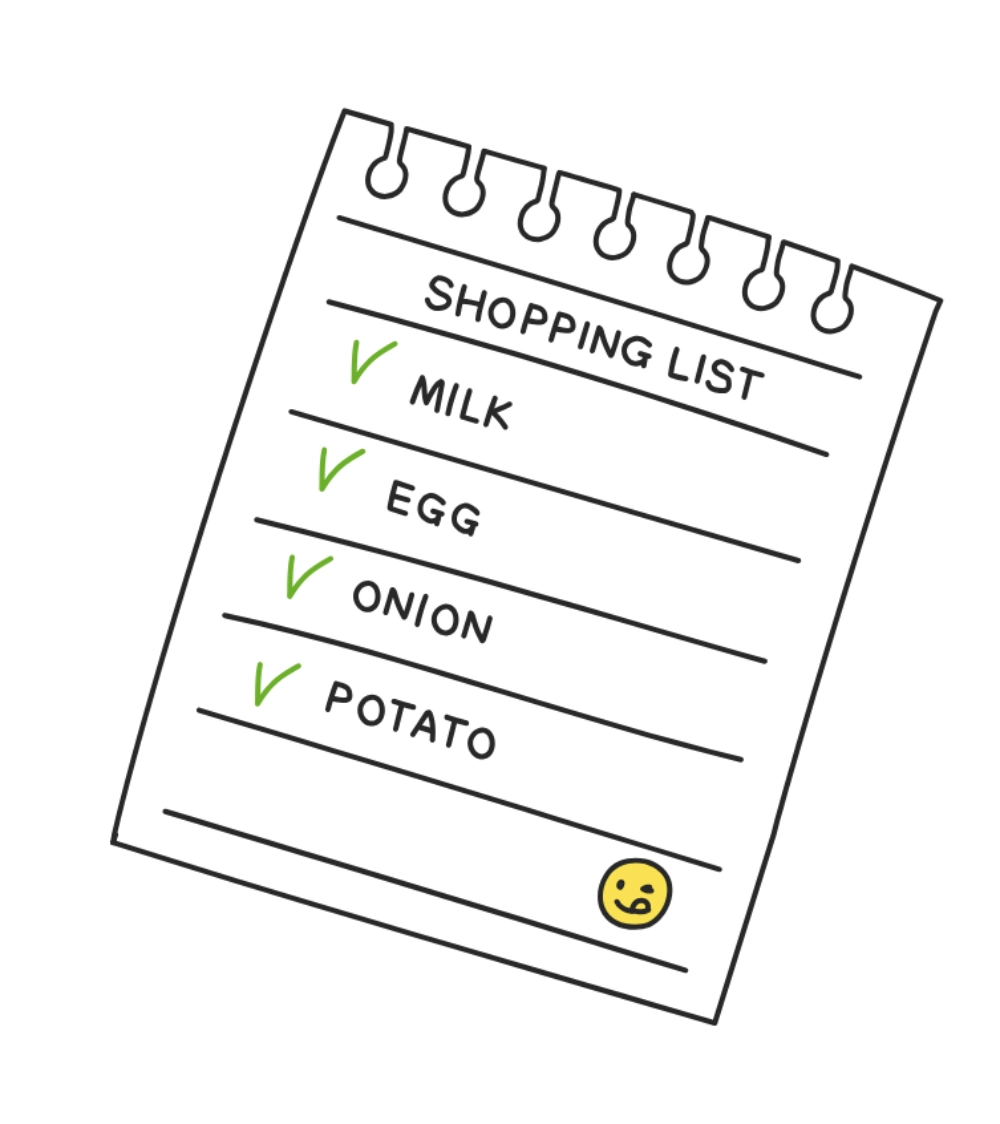
Write down what you need to do tomorrow. Make a list and prepare the necessary things for the next morning. Sort out what you will wear, pack your bag, prepare your breakfast and prepare your lunch to take with you to work. Prepare healthy snacks for the whole of the following day. Plan your schedule and activities for the next day and remember that organization reduces stress.
FIND A BALANCE FOR YOUR ACTIVITIES
Among the things we do each day, there are activities that bring us joy and fulfillment. There are also some activities that do not bring us joy, but we are obliged or to do. In addition, there are activities that are not essential and neither do they fulfil us, but rather, burden us. Remove useless and toxic activities from your life and balance your day between what you really want to do and what needs to be done.
FIND A HOBBY
Try something new, something you really enjoy. Plan an activity. This way you will really have fun and give yourself some well-earned and much needed escapism.
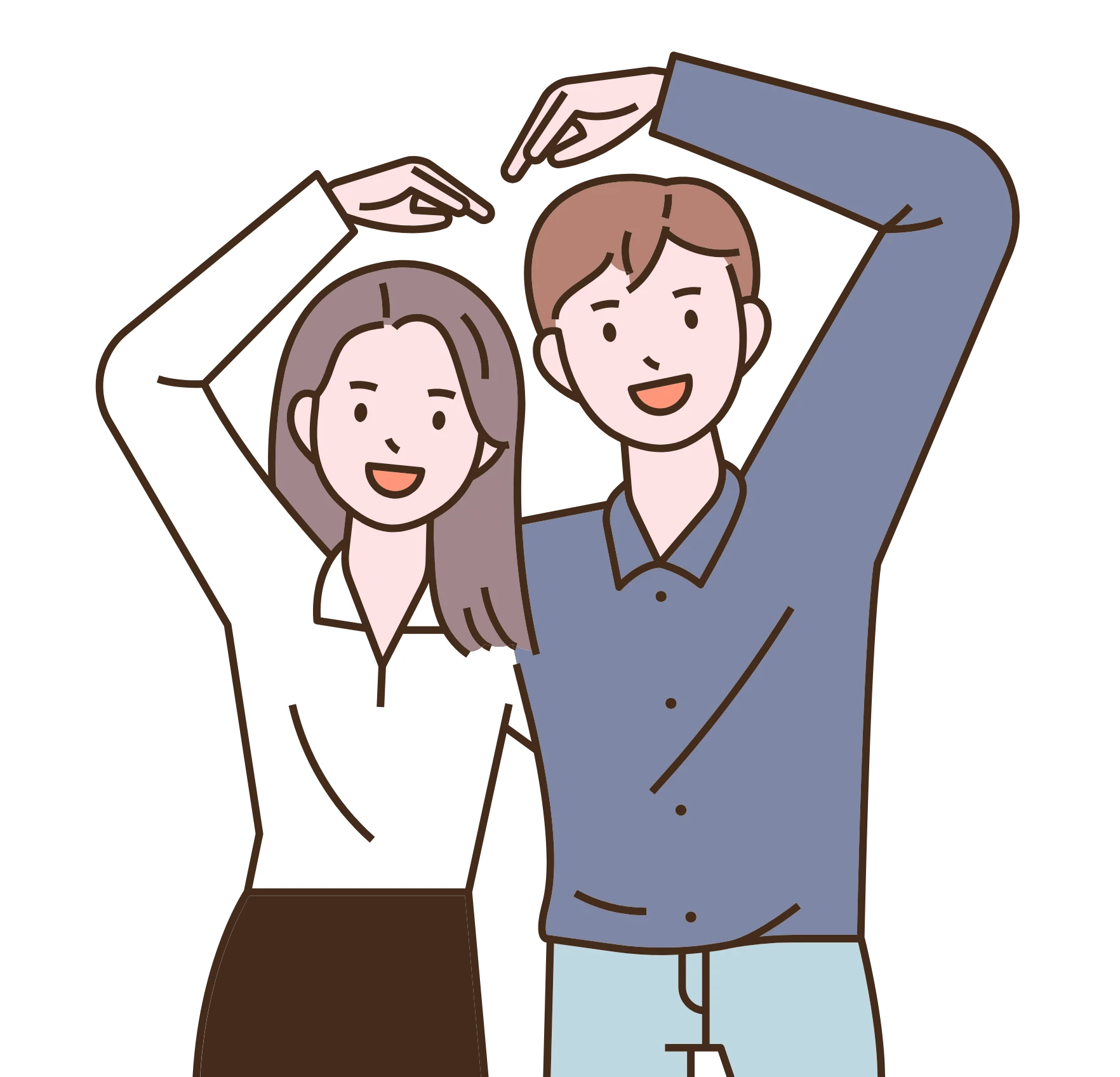
SEE FRIENDS AND TALK TO YOUR LOVED ONES
Friendship is a very important part of our lives and offers us feelings of warmth and fulfilment. Loneliness and isolation, however, can lead to psychological distress and other mental health difficulties. Our daily routine works in terms of the time we have for ourselves as well as for our social life. Find time to laugh, have fun, see friends, talk to your children. Don’t waste your time on relationships and people who make you feel uncomfortable or who you don’t get on well with. Instead, build relationships with the people in your life with whom you feel comfortable, who appreciate who you are and accept you.
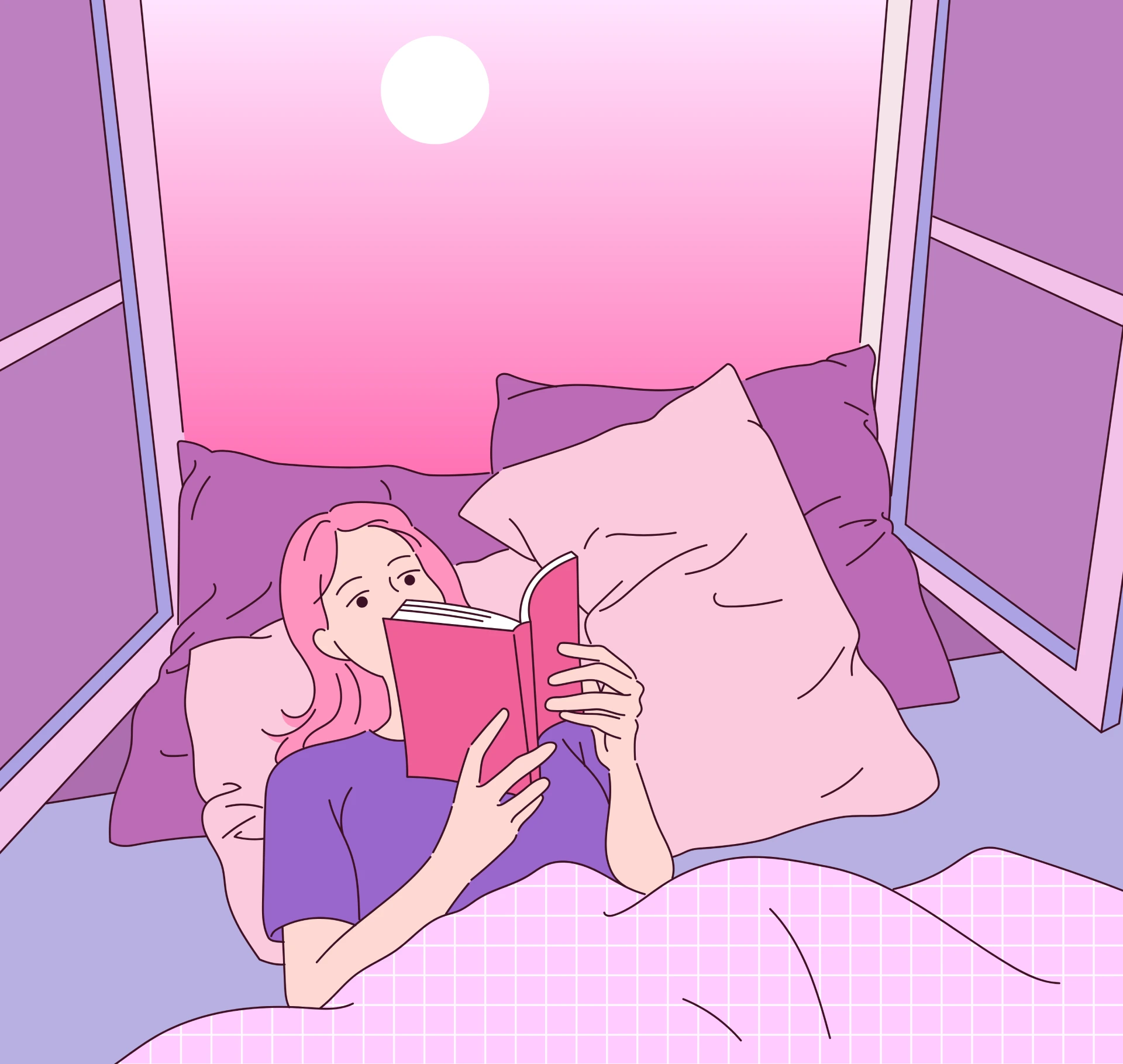
PROPER SLEEP
Consistent good quality sleep is important for our life and health. It refreshes our mind and thinking processes, helps in decision-making and reduces stress. An adult needs at least 7-9 hours of sleep a night. In addition to considering the amount of hours we sleep when thinking about how to get a proper night’s rest, the issue of what time we fall asleep also plays an important role in health and wellbeing.
TIPS FOR A GOOD NIGHT’S SLEEP
Our brain remains active during sleep, so the issues that have occupied us during the day affect it as they may continue on into our dreams or prevent us from falling asleep at all. Below are some useful tips:
Try to be asleep by midnight.
Make sure to go to sleep at about the same time every day.
Turn off the TV and all screens at least an hour before you go to bed. Screens are directly related to insomnia, which in turn leads to overthinking. Remember that you have already written down the next day’s tasks and have prepared everything for the next day. You have earned your rest time! Create your sleep routine. Take a relaxing bath, listen to music, read.
Avoid heavy and rich dinners.
Go to bed 10 minutes earlier every night.
In two weeks, you’ll be asleep a full hour earlier.
Text by
Elli Papachristoudi ; Psychologist, Family Psychotherapist, Social Anthropologist.
This website provides a series of practical tips for patients with Generalized Pustular Psoriasis and aims to help patients manage their daily lives. It is not a substitute for treatment in any way. If you suspect that you may have Generalized Pustular Psoriasis, the appropriate doctor for its treatment is a dermatologist, whom you should contact immediately.
If you have been diagnosed with Generalized Pustular Psoriasis, remember that you are not alone. You can contact the Panhellenic Association of Patients with Psoriasis and Psoriatic Arthritis Epidermia at epidermia.greece@gmail.com or call at +302315553780. Find out more about Epidermia at www.epidermia.gr
The website was created and executed by the Panhellenic Association for Patients with Psoriasis and Psoriatic Arthritis – ‘Epidermia’ within the framework of ‘Project Rare GPP’ which is supported by the International Federation of Patients with Psoriasis (IFPA) and Boehringer Ingelheim.